
THE NURAVYN JOURNAL · LIFE AFTER THE NICU
NICU to Home Discharge: Building a Safer, More Confident Transition
For families, leaving the NICU is one of the most meaningful milestones in a newborn’s care journey. It is also one of the most complex. Parents may be learning medication routines, feeding plans, equipment use, warning signs, appointments, and new caregiving responsibilities — all at once.
For healthcare partners, NICU to home discharge is more than a final step in hospitalization. It is a coordinated transition that can influence family confidence, continuity of care, follow-up adherence, and the overall post-discharge experience. When the discharge process is well supported, everyone benefits.
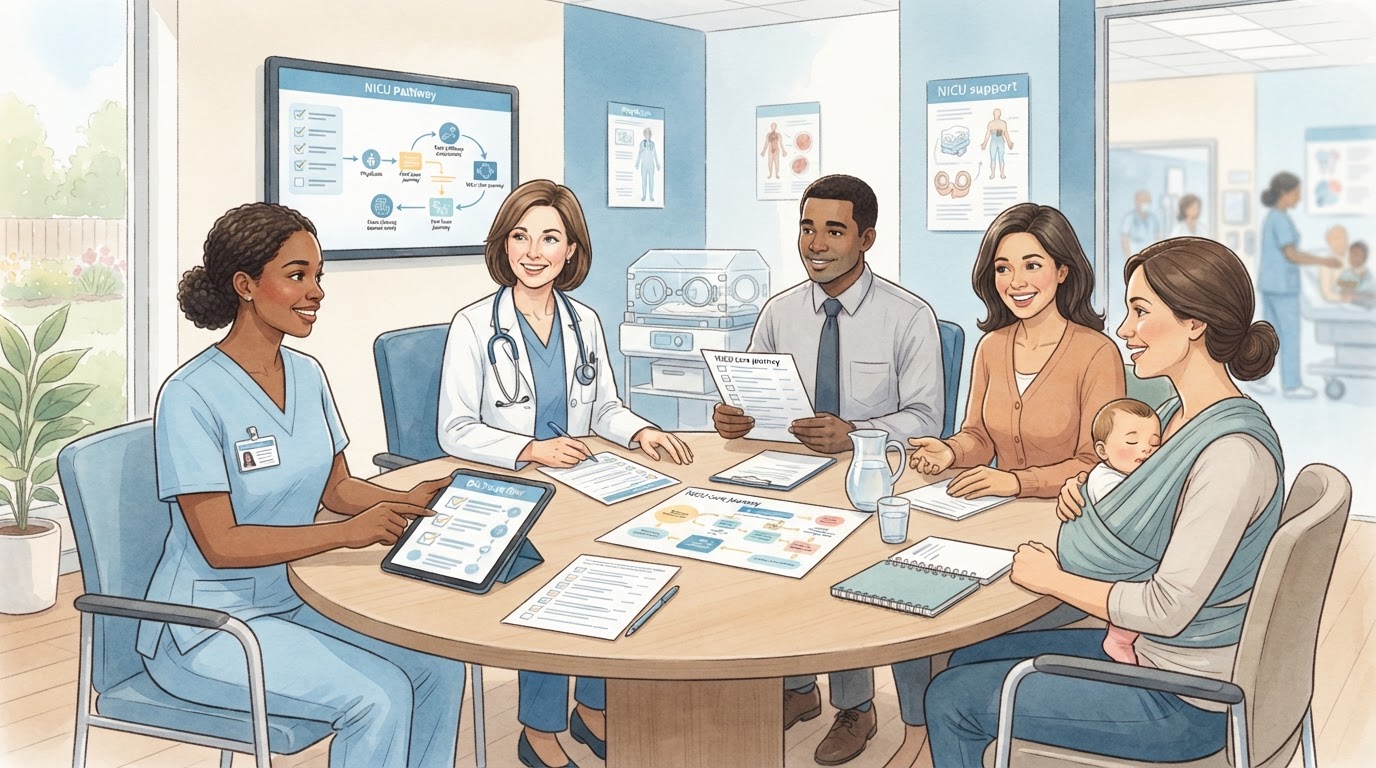
Why NICU to Home Discharge Needs a More Coordinated Approach
NICU graduates often have unique needs that continue beyond the hospital walls. Some families go home with feeding plans, specialty follow-ups, weight monitoring, medication schedules, oxygen or other equipment, early intervention referrals, or instructions for watching closely for specific changes.
A strong discharge process helps translate clinical plans into a practical home routine. It also gives healthcare organizations an opportunity to close communication gaps between the NICU, outpatient providers, specialists, community resources, and families.
What Healthcare Partners Need From a NICU Discharge Support Model
Hospitals, health systems, pediatric practices, payers, and community-based organizations each play a role in helping families move from NICU care to home-based care. An effective support model should be structured enough for teams to rely on, yet flexible enough to meet each family where they are.
1. Clear readiness checkpoints
Families benefit from knowing what they need to understand and practice before discharge day arrives. Readiness checkpoints can include feeding, medication administration, safe sleep, equipment basics, appointment scheduling, transportation planning, and when to call for help.
2. Consistent family education
Discharge teaching is most useful when it is reinforced over time and delivered in language families can understand. Healthcare partners can strengthen outcomes by using plain-language resources, teach-back methods, culturally responsive communication, and accessible formats families can return to at home.
3. Smooth handoffs across settings
The transition from NICU to home often involves multiple teams. A coordinated handoff helps ensure that pediatricians, specialists, home health teams, early intervention providers, and family caregivers understand the plan. This reduces duplication, confusion, and missed follow-up steps.
4. Support for the emotional transition
Going home can bring relief, joy, anxiety, and uncertainty all at once. Families may worry about monitoring their baby without the constant presence of the NICU team. A compassionate discharge support process acknowledges that emotional readiness matters and helps families feel less alone during the first days and weeks at home.
How Nuravyn Supports the NICU-to-Home Journey
Nuravyn focuses on the space between NICU discharge planning and family life at home. For potential healthcare partners, that means support centered on organization, education, communication, and family confidence. The goal is to help teams create a more seamless experience while keeping families connected to the guidance of their clinical care team.
For families exploring resources, Nuravyn can serve as a supportive place to better understand the discharge journey, prepare questions, and learn what to expect. Family-facing information should always complement guidance from the baby’s medical team, because every infant’s needs are different.
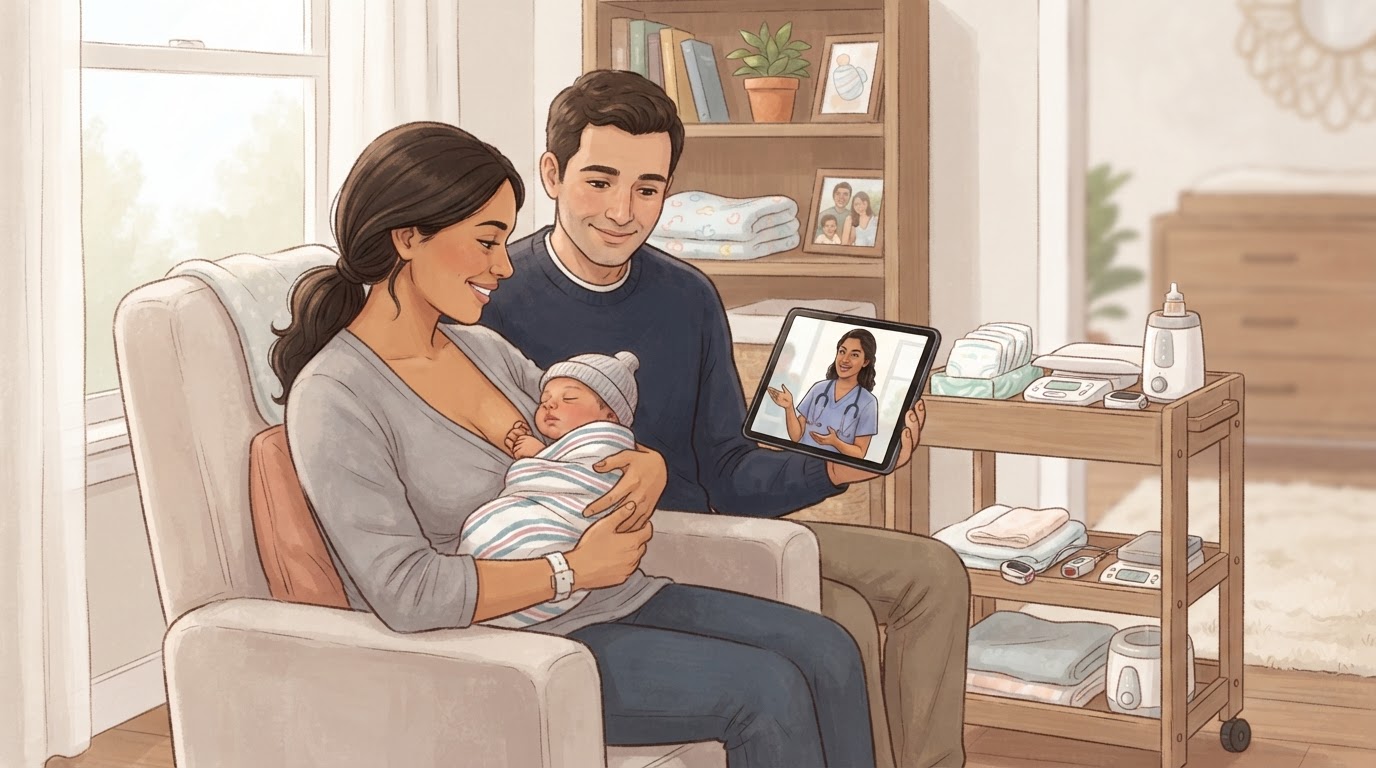
Key Elements of a Family-Centered NICU Discharge Plan
- Personalized education: Information that reflects the infant’s needs, the family’s questions, and the care plan created by clinicians.
- Practical home preparation: Guidance around routines, supplies, appointments, and common points of confusion.
- Caregiver confidence-building: Opportunities to practice skills, ask questions, and confirm understanding before discharge.
- Post-discharge connection: Clear instructions for who to contact, when to call, and what changes should prompt urgent attention.
- Resource navigation: Help identifying appropriate community, developmental, and family support resources when applicable.
NICU Discharge Is a Continuum, Not a Single Event
The phrase NICU to home discharge describes more than the day a baby leaves the hospital. It represents a continuum of preparation, education, coordination, and follow-up. Healthcare partners who invest in this continuum can help families feel more equipped and supported as they begin life at home after neonatal intensive care.
By focusing on both clinical coordination and family experience, Nuravyn is positioned to support a discharge journey that feels clearer, calmer, and more connected for everyone involved.
Partner With Nuravyn
If your organization supports NICU families, discharge planning, neonatal care coordination, pediatric follow-up, or family education, Nuravyn offers a focused approach to the transition from NICU to home.
Note: This article is for educational and partnership-focused purposes only. Families should follow the individualized discharge instructions provided by their baby’s healthcare team.